
bioblitz near the ocean

Browse by Topic

Oceans

Exhibitions

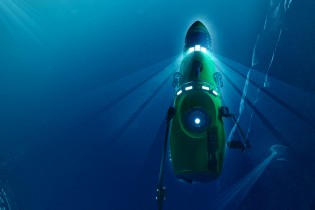
Pressure: James Cameron Into the Abyss

Explore the DEEPSEA CHALLENGER
Dec 12, 2022–Feb 20, 2023
 

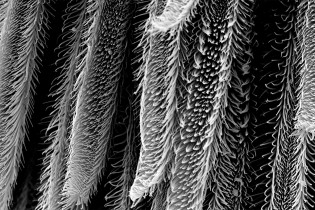
Scanning Electron Microscope Lab

See how big discoveries can come from the tiniest things in the Gem and Mineral Hall.

- | NHM

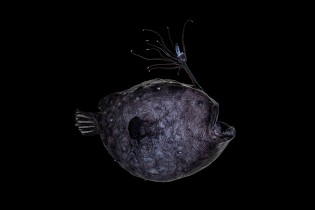
Anglerfish

New Discoveries

Frozen in Time: Images of Antarctica

See the frigid continent of Antarctica in a new light through the mesmerizing work of award-winning photographer Diane Tuft.

Discover more

L.A. on Wheels Scavenger Hunt

Go on a Museum scavenger hunt to explore how L.A. turns transportation into a celebration of creativity and community!

Read more

STEAM Programs

Join us for Girls in STEM Programming at the Natural History Museum! Our Girls in STEM Programming has opportunities for girls ages 8-18 to participate in hands-on STEM activities, meet real scientists, and explore future career paths in a fun and engaging way.

Read more

Exhibition Sneak Peak: The Fabric of Community Video

In her presentation, Dr. Amy Gusick, Associate Curator of Anthropology, will explore the contents of NHMLAC;s upcoming online exhibition that marks the first time we are able to provide access to the bulk of the Pacific barkcloth collection.

Read more

News & Press

Natural History Museum Scientists Ready for Unlikely Visitors and Strange Creatures as Super El Niño Comes to Southern California

The strongest El Niño in more than a century is already bringing far-flung species into Southern California, with more expected in the coming months. Studying these specimens will help NHM researchers better understand the impacts of the tremendous climate event.

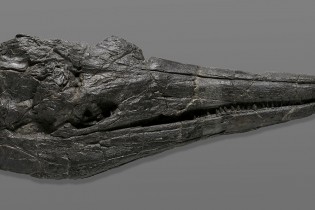
Ancient Crocodile-Like Predators Ruled the Islands of the Caribbean

A new study finds that land-dwelling crocodile-like sebecids were the apex predators of the West Indies, surviving on the islands after vanishing from South America

Ammonites went out with a diverse bang—and not a long, slow fizzle—in the Late Cretaceous

A new study used museum collections to map ammonite diversity around the globe before their total extinction and found they were not in decline prior to their extinction alongside non-avian dinosaurs 66 million years ago