
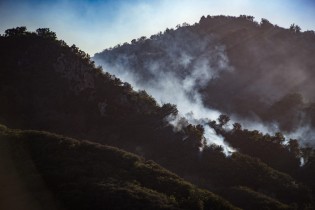
Join us for a professional development conference where educators can learn healing pathways for themselves and their students using Southern California’s remarkable natural and cultural landscapes.
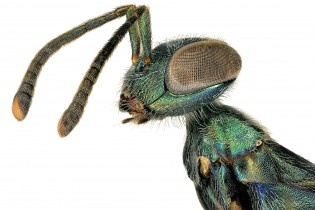
Join us for bug-themed projects, up-close encounters with live bugs, time in the Museum’s expansive Nature Gardens and Nature Lab, and the chance to meet real museum entomologists!
Meet Leslie Gordon, our Manager of Vertebrate Living Collections, and watch her share what her team has been up to during the museum's temporary closure, including telemedicine and museum walkabouts.
From February 1 to March 31, 2022, share your photographs of wild land snails and slugs, and help NHM learn more about the biodiversity of Southern California.
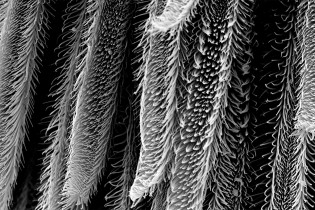
Through advanced microscopy and imaging techniques, La Brea Tar Pits scientists successfully identify a previously unknown species to Southern California from fossilized seeds, revealing a drought-fueled dance between two species of juniper with lessons for the region’s climate future
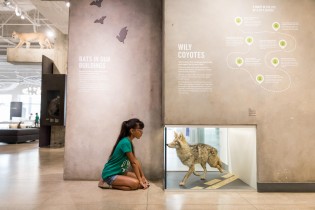
The traveling exhibition by the National Geographic Society and National Museum of Wildlife Art features the impactful work of National Geographic Explorer and photographer Ronan Donovan.
Paleoecologists, paleontologists, and geologists — including many from NHM’s Dinosaur Institute — found that significant loss of animal life in terrestrial ecosystems more easily leads to collapse than in marine ecosystems, and those ensuing collapses last much longer on land.