
Modern Frequency: Bridging Coffee, Art, and the Armenian Diaspora
Kavat Coffee | Serj Tankian & Ara Ajounian

NHM Online Presents L.A. Culture in a Cup, a year-long initiative celebrating the stories of the diversity of Los Angeles and its people through the lens of the beverages and their significant vessels that bring us together.
Kavat Coffee is more than a destination for a caffeine fix; it is a sensory intersection where the heritage of the Armenian diaspora meets the creative pulse of Eagle Rock. Founded by artist and musician Serj Tankian, best known as the lead singer of the heavy metal band System Of A Down, and crafted alongside former brand manager Ara Ajounian, this cafe-gallery serves as a communal "frequency leveler". At Kavat, the "doing”, both the act of creation and connection, is the true product in every cup. Read on to understand how this coffee collective comes together.
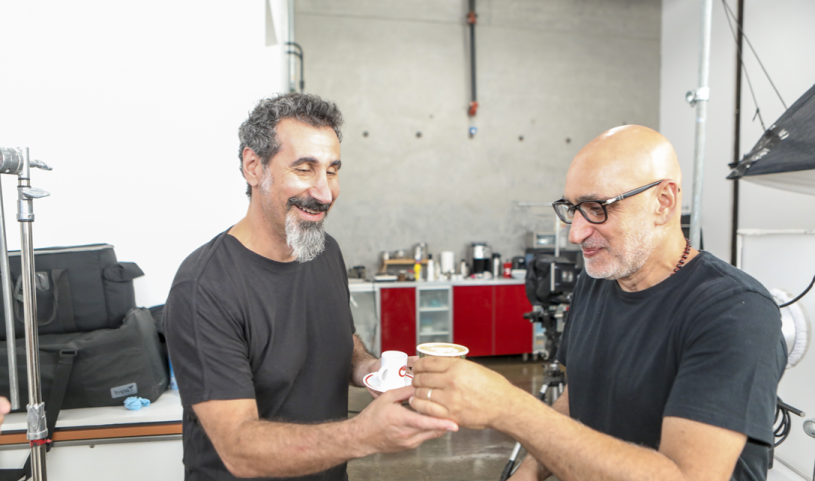
Serj and Ara celebrate a lifelong friendship and successful business in coffee.
Courtesy of Kavat Coffee
You know, when they say if you want something done right, you need to do it yourself. I would go to these coffee places and order coffees that I wasn't happy with, so I went online, I bought a popcorn popper and I started roasting my own coffee.
Ara Ajounian
Your roots in this city run deep. How did your personal journeys to Los Angeles begin?
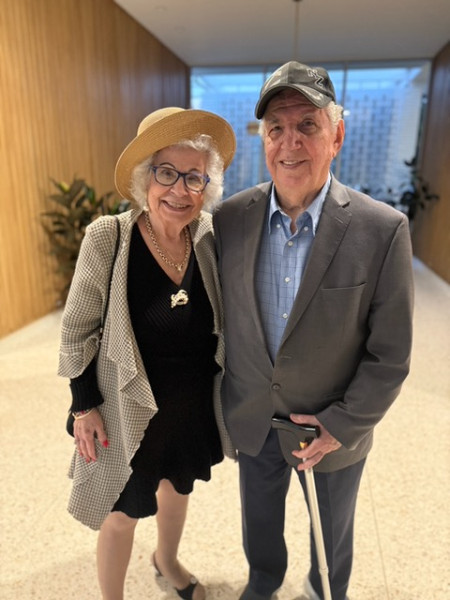
Serj was no stranger to LA living. Born in Beirut, Lebanon, Serj and family came to the U.S. at an early age. Serj's parents, Alice and Khatchadour Tankian,(pictured above) decided to raise their son in Hollywood, California.
Courtesy of Kavat Coffee
Ara: I’m from Venezuela. My parents are from Syria. My grandparents left Armenia during the genocide, they ended up in Syria. We eventually moved to Los Angeles specifically because my parents wanted us to be part of a strong Armenian community. When I arrived, I primarily spoke Spanish, and people are still surprised today when I speak it fluently in the shop. I’m a bit of a cultural unicorn, bridging that Latino and Armenian experience that is so specific to L.A.
Serj: I was born in Beirut, Lebanon, I'm Armenian as well, my family migrated here in 1975 during the Lebanese Civil War. We settled in Hollywood, and I grew up with the full L.A. experience. I'm not a fan of any large cities, to be honest with you. I'm more of a, you know, nature, village-y, country-community type of person. While I spend much of my time in New Zealand now, L.A. has an incredible cultural fabric and diversity that I truly miss. It’s a city that allows you to be multiple things at once.
Can you share with us your first memory of having coffee?
Serj: I don't remember my first cup of coffee, but as a kid, I remember the smell of coffee. My grandmother and my mom would be having conversations while the coffee's brewing. Sometimes it would burn, because they got too involved in their conversation or whatever. But that smell of coffee in the house is something I really enjoyed, even now. I love being in that smell. It's a comforting smell, you know, it's a creative smell for me.
Ara: I think it was probably a cup of Armenian coffee. My parents always drank it, and I guess at 13 or 14 years old, I gave it a try, and I don't know if I liked it or not. I don't remember… I do remember that in my later teens, 17-20, I was drinking a lot of it.
When we used to hang out, we would eat and then have a cup of coffee. I actually smoked back then, so I'd have a cigarette with it. It was wherever we went, be it a party, a wedding, a funeral, there was always that coffee.
Kavat feels like a project born of passion rather than a corporate plan. How did this partnership actually start?
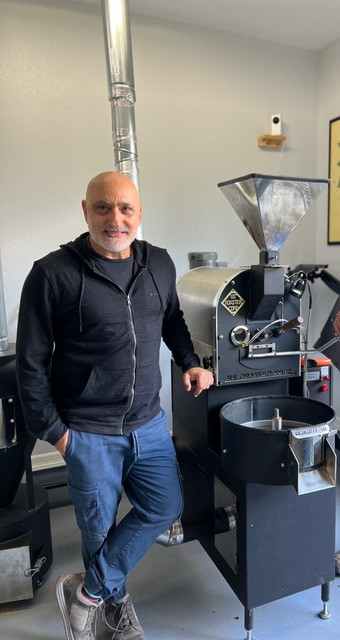
Ara stands next to a coffee roaster, coming a long way from his days of roasting coffee beans in a popcorn maker.
Courtesy of Kavat Coffee
Ara: You know, when they say if you want something done right, you need to do it yourself. I would go to these coffee places and order coffees that I wasn't happy with. Then I would buy the beans, take it home, and make myself a pour-over, and it still wasn't the way that I wanted it.
So I went online, I bought a popcorn popper and I started roasting my own coffee. 15, 16 years ago, I would go to Whole Foods once a week and buy a pound of green coffee from them, and then take it home, and then burn a little bit of it, because I didn't know what I was doing. And once I got the hang of it and liked what I was doing, I started passing it out to my friends. I eventually flew to Oregon to train with a Master Roaster to professionalize what was essentially a "mad scientist" hobby.
Serj: For me, it had been many years that I was contemplating doing a coffee line. Most artists tend to go to an established brand and work with them and become a sponsor, or a spokesperson, and I didn't want to do that. I kind of wanted to develop something unique, something real.
I hadn't seen Ara for many years, we were both part of an Armenian youth group called the Armenian Youth Federation. He was from Montebello, and I was from Hollywood, and so we became friends, along with other friends, doing communal work and fun social stuff as well. We were both probably in our late teens, I want to say. 17. We've been friends since then, at least, 42 years, maybe.
Well, we saw each other twice in one week, out of nowhere. The first time was at a breakfast joint in Sherman Oaks, right? And the second time, I don't remember. But it was twice in the same week, after not seeing each other for maybe 15 or 20 years. When you see someone twice in, like, 2-3 days, you're like, wait a minute, there's something going on. So we sat down, and I asked him, What are you doing with your life? He goes, oh, I'm roasting coffee. And I'm like, no kidding. Because I'm thinking about doing coffee. So we started talking, and so we started experimenting, and buying coffee beans, roasting them, trying them out, doing these wonderful flavor sessions together, and coming up with what we thought we would want to drink ourselves, we started with Armenian coffee. We didn't have a business plan; we just had "flavor sessions" in my kitchen. We spent weeks obsessing over the bean before we even thought about a storefront.
What drink tells the story of Kavat and epitomizes its spirit?
Serj: It is our Modern Armenian Coffee. It's an old process, it's the same way that Greek coffee, Arabic coffee, Turkish coffee is made in a cauldron over fire. You know, you make it over the stove. In this case, you first boil the water, you put in the sugar, if you want some sugar, and then you put in the coffee, and you mix, and you wait for it to rise, you know, to boil over. We also have a tradition of flipping the cup over and letting it dry so someone can tell your future, looking at the cup.
We called it modern because we didn't want to call it traditional Armenian coffee, because it didn't taste completely like traditional Armenian coffee. Most Armenian coffees are a bit more bitter and grainy. We're using Arabica quality specialty coffee, and, you know, single-source Ethiopian beans.

Courtesy of Kavat Coffee
The Kavat space is both a cafe and an art gallery. Why was it important to combine those two environments?
Serj: "I've been doing art for many years, and... as an artist, I wanted a space where I could show other people's art and my own. In a setting that's social, not necessarily, formal, like a lot of art galleries are, where, you know, you walk in and it's someone dressed up coming in. No, it's a coffee shop, you know? That frequency is what brings the community together. We chose Eagle Rock because it’s a creative hub. We host "Acoustic Sundays" and book signings, but we also just have people coming in to play cards and talk politics. Because Ara speaks Spanish, English, and Armenian, he gets to see these different worlds overlap over a cup of coffee. It’s about making sure the "vibe" is as high-quality as the roast.
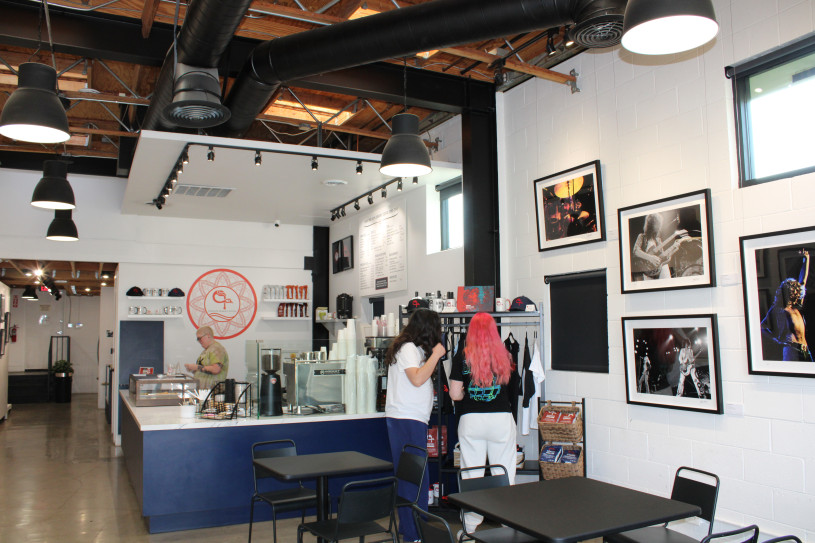
The coffee shop functions as a creative epicenter, not just a place to sell coffee. Kavat meets the needs of its community by providing space for music, art, books, and more.
Natural History Museum of Los Angeles County
What should Angelenos walk away knowing after a visit to Kavat?
Serj: I want them to feel a sense of "channeling." As an artist, I believe we tap into a collective consciousness. The space should feel like a living room where you can find inspiration or a professional cup reading to help you see your own path.
Ara: I want them to know that quality and service are inseparable. You can have the best product in the world, but if you aren't welcoming, the culture doesn't stick. We want people to feel the intention, the history, and the love we’ve poured into this, from the popcorn popper days to now.

Brooke prepares the Banana Terracotta latte, a specialty coffee drink featuring banana flavors, inspired by System of a Down's song "Vicinity of Obscenity".
Explore more from Kavat Coffee
To experience the modern frequency of Armenian coffee and explore the rotating art gallery, visit Kavat in Eagle Rock or browse their collection online at kavatcoffee.com.
What’s your L.A. CUP Story?
Do you know an L.A. beverage crafter who lovingly connects to your community? Join the conversation by tagging @NHMLA with #LACultureinaCup!

