
Highlighting the makers and mixers who bring us together
Sadeq Alaqel | Sana’a Cafe

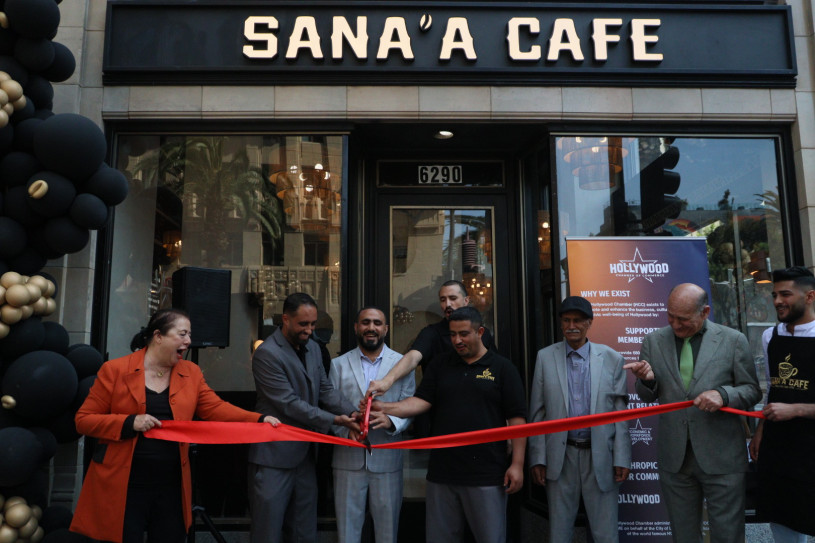
Step inside Sana’a Cafe at a bustling Hollywood intersection, and the frantic pace of Los Angeles immediately begins to slow. Named after the capital city of Yemen, the ancestral homeland of coffee cultivation, this cafe is designed to be a sanctuary.
For founders Sadeq Alaqel and Bassery Alraishi, taking over a former corporate coffee chain location was a bold challenge. They transformed it into a space that honors the deep, communal roots of Middle Eastern cafe culture... We spoke with Alaqel to understand how a family's journey from Yemen to California helped create this Hollywood gem.
We spoke with Alaqel to understand how a family's journey from Yemen to California helped build a thriving space that keeps its doors open late into the night, pouring patience and tradition into every cup.
Los Angeles is home to so many immigrant stories, and ours is one of them. It felt like a place where we didn’t have to choose between who we are and where we wanted to go — we could be both.
Sadeq Alaqel
Los Angeles is home to so many immigrant stories, and ours is one of them. I moved to the United States around 2002 when I was nine years old. My family came here looking for opportunity and stability, and for better schools, while still holding onto our culture. Back then, Yemen was a country everybody wanted to visit, but as the years went on and civil war broke out, it became very tough to go back. We originally lived in Connecticut, but California is one of the biggest hubs for Middle Eastern people. L.A. felt like a place where we didn’t have to choose between who we are and where we wanted to go — we could be both.

Natural History Museums of Los Angeles County
Traditional Turkish coffee pots line the counter at Sana'a Cafe. In a city fueled by grab-and-go convenience, these beautiful vessels serve as a reminder that true Middle Eastern cafe culture requires craftsmanship, patience, and a willingness to slow down.

Photo courtesy of Sana’a Cafe
To transport guests straight to the capital city of Yemen, Sana'a Cafe's decor features authentic cultural artifacts and architectural nods to the founders' homeland. The space includes custom designs of actual historic Yemeni homes—which were traditionally built high up on mountainsides—alongside displays of traditional San'ani dress. This includes the thawb and the jambiya, an ornate, curved dagger historically worn every day. By showcasing these specific historic buildings and garments, Sadeq ensures his community can always recognize a piece of their heritage inside the cafe.
Sana’a began with the desire for a space that felt familiar to us yet open to everyone. We were sitting around looking at maps of L.A., searching for locations. We found a recently closed Starbucks at a high-traffic intersection and decided to challenge ourselves. It was a new concept, and our coffee was unknown to many people here, so we thought it was going to be very hard.
Because it was a new concept and our coffee was unknown to many people here, we expected a significant challenge. However, we saw few places celebrating Yemeni coffee culture, which is centered on slowing down, sitting together, and connecting. So, we decided to build it ourselves. A few months after our opening, the crowds began to arrive. Because we opened during the holy month of Ramadan, guests would visit at night after a day of fasting. We stay open until 3:00 a.m. during Ramadan, and by midnight the cafe is completely full. People wanted a place to socialize, hang out with friends, and relax after breaking their fast.
Our Yemeni coffee and our Adeni chai. They represent patience, tradition, and hospitality. Back home, having chai is symbolic of relaxing—people just come in and chill over a cup of chai. It’s not meant to be rushed — it’s meant to be shared.
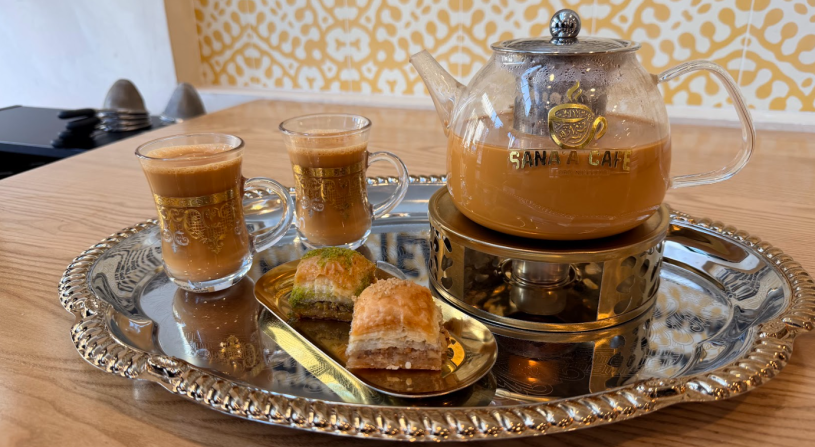
That’s exactly what Sana’a is about. Getting the recipe just right was actually a community effort in itself. Because every family makes their chai a little differently, we spent a lot of time experimenting with different spice blends. We invited our whole team, our cousins, and our friends to constantly taste-test the variations and give us feedback until we landed on the perfect flavor profile.

Natural History Museums of Los Angeles County
Because traditional Adeni chai is prepared a little differently by every family back home, finding Sana'a Cafe's signature recipe started with exploring a complex variety of warm, aromatic spices to build the right foundation.

Natural History Museums of Los Angeles County
Perfecting the drink required a dedicated process of trial and error. Sadeq and the team constantly switched up the ratios, experimenting with the flavoring and simmering the spices to find a comforting, traditional balance.

Natural History Museums of Los Angeles County
To ensure the flavor was truly authentic, the founders relied on the ultimate critics: their own community. They brought in their entire team, cousins, and friends to taste-test the different variations and provide honest feedback on the recipe.

Natural History Museums of Los Angeles County
After multiple tasting sessions and adjustments with their loved ones, the perfect blend was chosen. Today, that carefully crafted cup of Adeni chai is poured for Angelenos daily, serving as a warm invitation to sit, relax, and connect.
I remember having it at home, watching it being made, and sitting with family while it was served. It was never just about the coffee or the tea itself—it was about being together. Because of our roots back home, having chai is meant for relaxing. Bringing it here to Los Angeles is symbolic; we wanted a space where people could just come in, chill over a cup of chai, and kill the night together with their friends. Even today, I make my own tea at home. I don't want to serve just another standard cup of black tea with milk; I want the flavor to feel like a secret. That’s the exact feeling of home we wanted to bring into Sana'a.
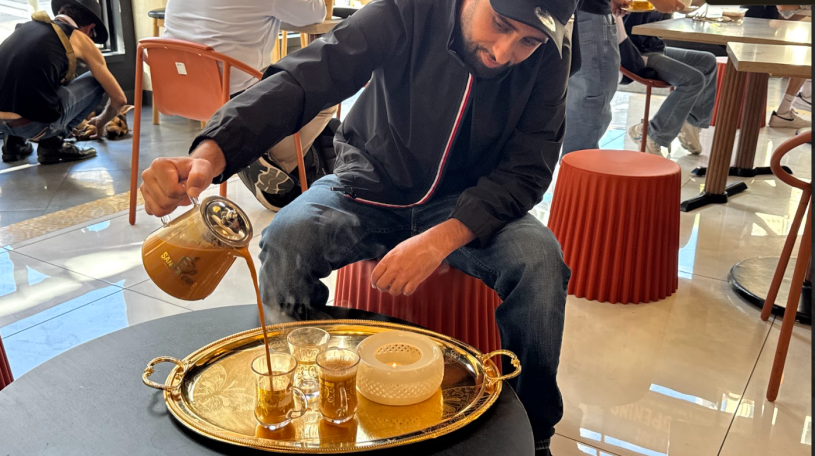
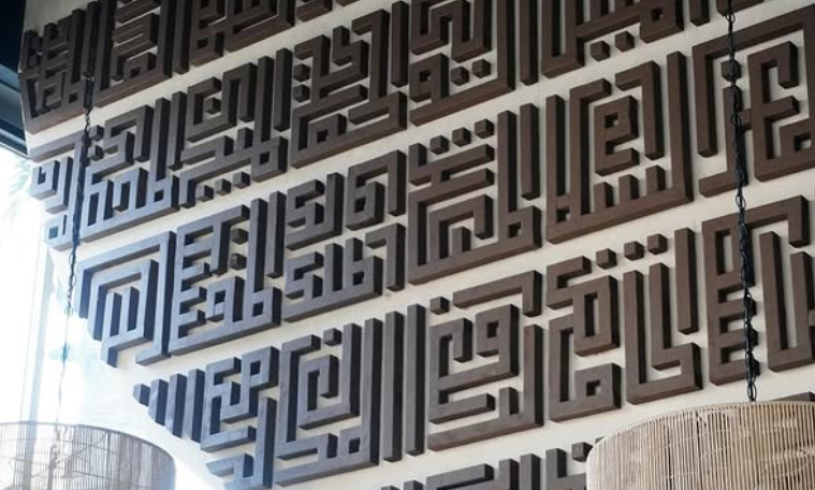
People come here to meet, work, talk, and just exist. You’ll see students, creatives, families, and neighbors all in the same space. Sana'a naturally became a gathering spot where people feel comfortable staying and connecting. We designed the space so people could feel that intention. The wall behind the counter features the 99 names of God in Arabic, and people from the community will come in, take photos, and share what it means. It gives that feeling of home to everybody who walks in.
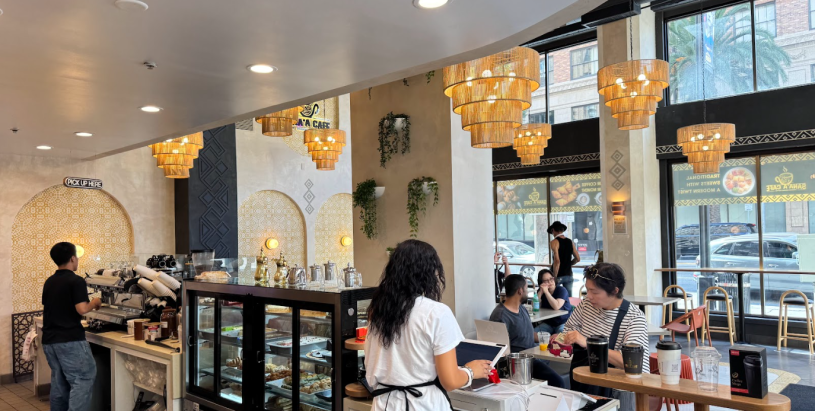
We want people to feel welcome and at ease. We want them to leave knowing that Sana’a is more than a café; it is a space rooted in culture, community, and intention. Even if they visit only for a coffee, we hope they leave feeling something more.
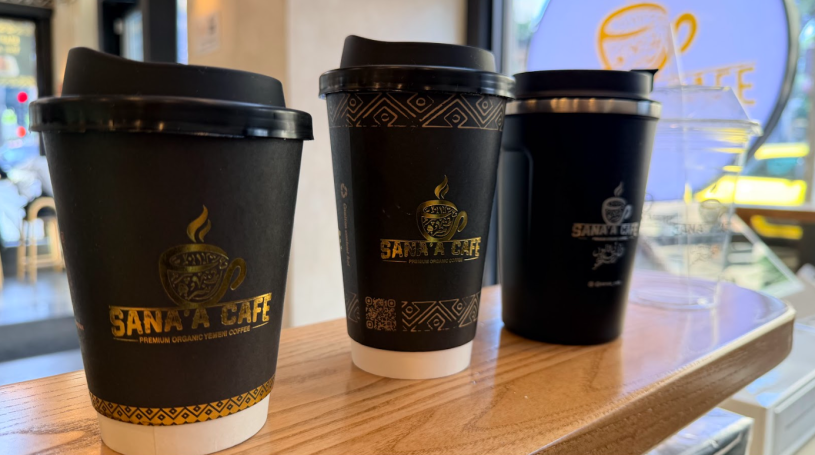
Experience the hidden treasures of Yemeni coffee culture and enjoy a warm cup of Adeni chai by visiting Sana'a Cafe in Hollywood, or follow the cafe’s journey as it expands across California.
Do you know an L.A. beverage crafter who connects with your community? Would you like to share your favorite experience at Sana’a Cafe? Join the conversation by tagging @NHMLA with #LACultureinaCup; your story could be featured next!"

