
Join us for a professional development conference where educators can learn healing pathways for themselves and their students using Southern California’s remarkable natural and cultural landscapes.
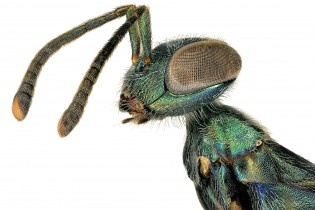
Join us for bug-themed projects, up-close encounters with live bugs, time in the Museum’s expansive Nature Gardens and Nature Lab, and the chance to meet real museum entomologists!
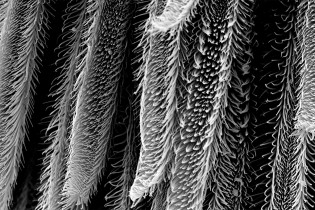
Join Dr. Jody Martin on a tour of "the very very small" - from tiny marine invertebrates to the heads of insects to snowflakes and pollen grains and more - to learn about the Museum's brand new electron microscope and how it will be used in research, education, and exhibits!
Join Connie Clark, La Brea Tar Pits Preparator, as she explores the La Brea Tar Pits Museum Fossil Lab’s work to improve fossil preparation practices, recent finds in Project 23, and why animals found around L.A. today might be rarer in the Tar Pits fossil record.
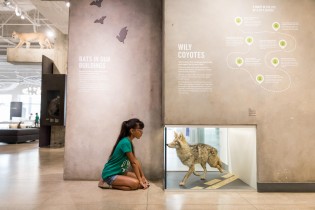
In this short video, Caroline Thrasher explains how she, and other Museum Educators, are helping visitors stay connected with science and culture at NHMLAC.
Through advanced microscopy and imaging techniques, La Brea Tar Pits scientists successfully identify a previously unknown species to Southern California from fossilized seeds, revealing a drought-fueled dance between two species of juniper with lessons for the region’s climate future
The traveling exhibition by the National Geographic Society and National Museum of Wildlife Art features the impactful work of National Geographic Explorer and photographer Ronan Donovan.
Paleoecologists, paleontologists, and geologists — including many from NHM’s Dinosaur Institute — found that significant loss of animal life in terrestrial ecosystems more easily leads to collapse than in marine ecosystems, and those ensuing collapses last much longer on land.